Material & time
Architectural Photography Usage Rights: What to Agree Before the Shoot
Good photographs can serve a project for years. A clear agreement protects the working relationship and respects everyone involved.
Separate making the images from using them
When commissioning architectural photography, discuss two things separately: who creates the photographs, and how the client may use them. Receiving files does not always answer whether they can appear on a website, in a portfolio, paid advertising, a magazine or a third party’s materials. Describe the intended uses in plain language before work begins.
The word “exclusive” also needs a practical meaning. Does it apply for a period, to a channel, to a particular field or to every use? May the photographer show the project in a portfolio? These are questions for a conversation and agreement, not assumptions to leave open.
Record channels, duration and credit
Make a short list of channels: the architecture practice’s website, property website, social media, listing, editorial feature or press material. Say whether images can be cropped, captioned or used in paid campaigns. If several project partners are involved, agree who may share files and with whom.
It helps to record credit, duration, territory and whether permission can be passed to another party. A clear agreement does not have to be complicated; it does need to be understood by everyone. If legal advice is needed, ask a qualified professional rather than relying on a generic phrase.
Keep files and context together
Agree how the files will be delivered: an organised folder, filenames, social versions and full-resolution images. Keep the correct publication details, credit and permissions beside the photographs. This makes it easier to use the work months later without guessing what was approved.
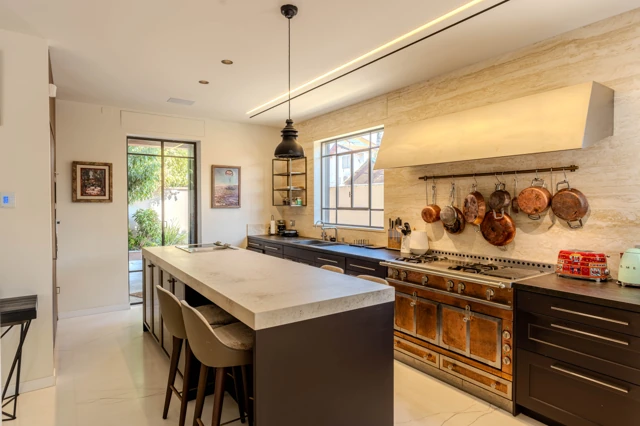
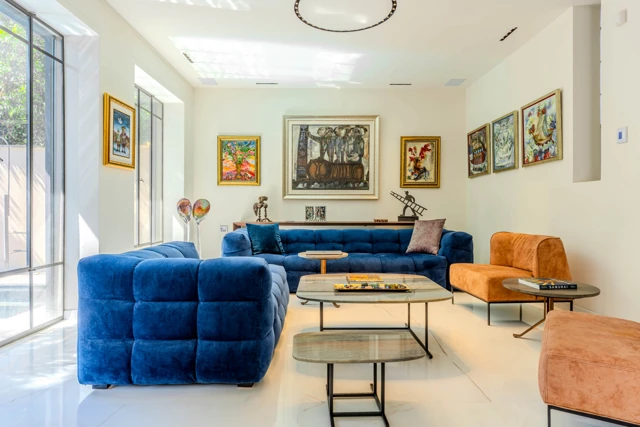
Tuscan Residence in Ra’anana is presented on the site as a case study. For any other project, confirm that the owner, architect, designer and photographer have agreed to the relevant use before publishing an image. Agreement in advance protects both the working relationship and professional control of the work.
A CONVERSATION ABOUT THE PLACE
What stayed with you?
Thoughtful responses are welcome. Every comment is reviewed before it appears publicly.