Light & looking
Evening Architectural Photography: Preparing an Exterior Shoot
Evening exterior photography depends on timing and coordination. A short preparation list helps the team arrive calmly and work through the changing light.
Coordinate access, timing and lights
Before setting a shoot time, find out when the sun reaches the facade and what happens around it: gates, parking, neighbours, irrigation, guest movement or roof access. Evening light changes between daylight and a darker sky, so decide which elevations or areas matter and allow time to work through them.
Confirm who will switch the fixtures on and when. If there are several circuits, mark which ones should be active and replace failed bulbs before the shoot. Do not add temporary lighting without checking whether it suits the place and is safe. A small amount of coordination reduces interruptions and leaves room to observe the changing light.
Prepare the surroundings with care
Move tools, hoses, vehicles or temporary objects only when they distract and can be relocated safely. Check leaves, outdoor furniture, cushions, pool surfaces and areas after watering or cleaning. There is no need to stage a garden into something unfamiliar; clear distractions while keeping the place’s character.
Check the forecast and agree on a backup. Clouds, wind or humidity may change the feeling and working conditions. If the shoot includes both interior and exterior, decide in advance what comes first and how much time each part needs. This avoids rushing between spaces as the light changes.
Let the colours stay believable
At dusk, a blue sky and warm practical lights can both be part of the experience. During finishing, preserve their relationship without making the sky too blue or the house too orange. Check that windows, stone and planting still feel close to what people see on site.
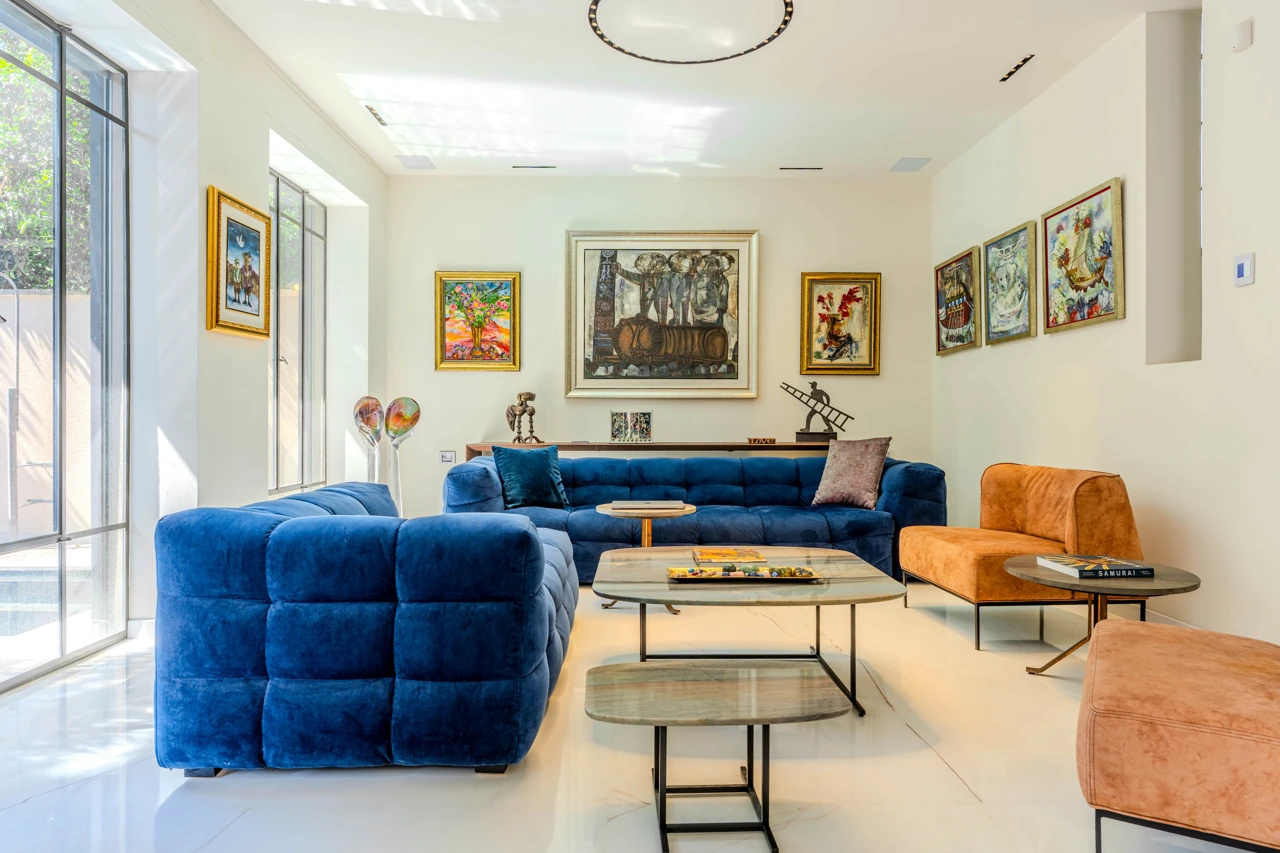
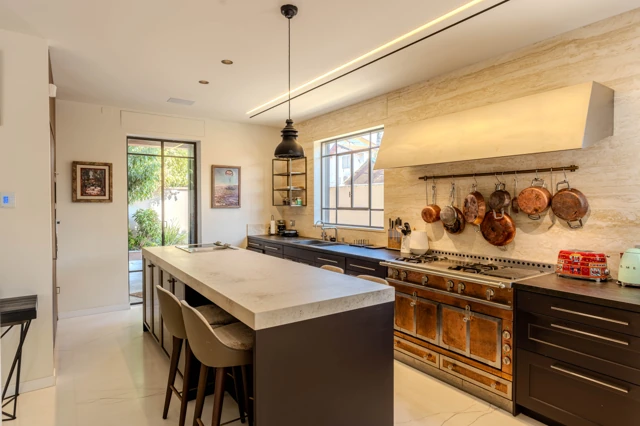
Tuscan Residence in Ra’anana presents its interior and exterior as parts of one visual world. For your own exterior shoot, prepare a list of key viewpoints, contacts and access permissions. A short conversation about the site conditions and the story you want to show is a useful starting point.

A CONVERSATION ABOUT THE PLACE
What stayed with you?
Thoughtful responses are welcome. Every comment is reviewed before it appears publicly.