Light & looking
Mixed Light in Interior Photography: Keeping Colour and Material True
Window light and fixtures can read differently. A little planning helps choose a natural feeling without erasing the room’s character.
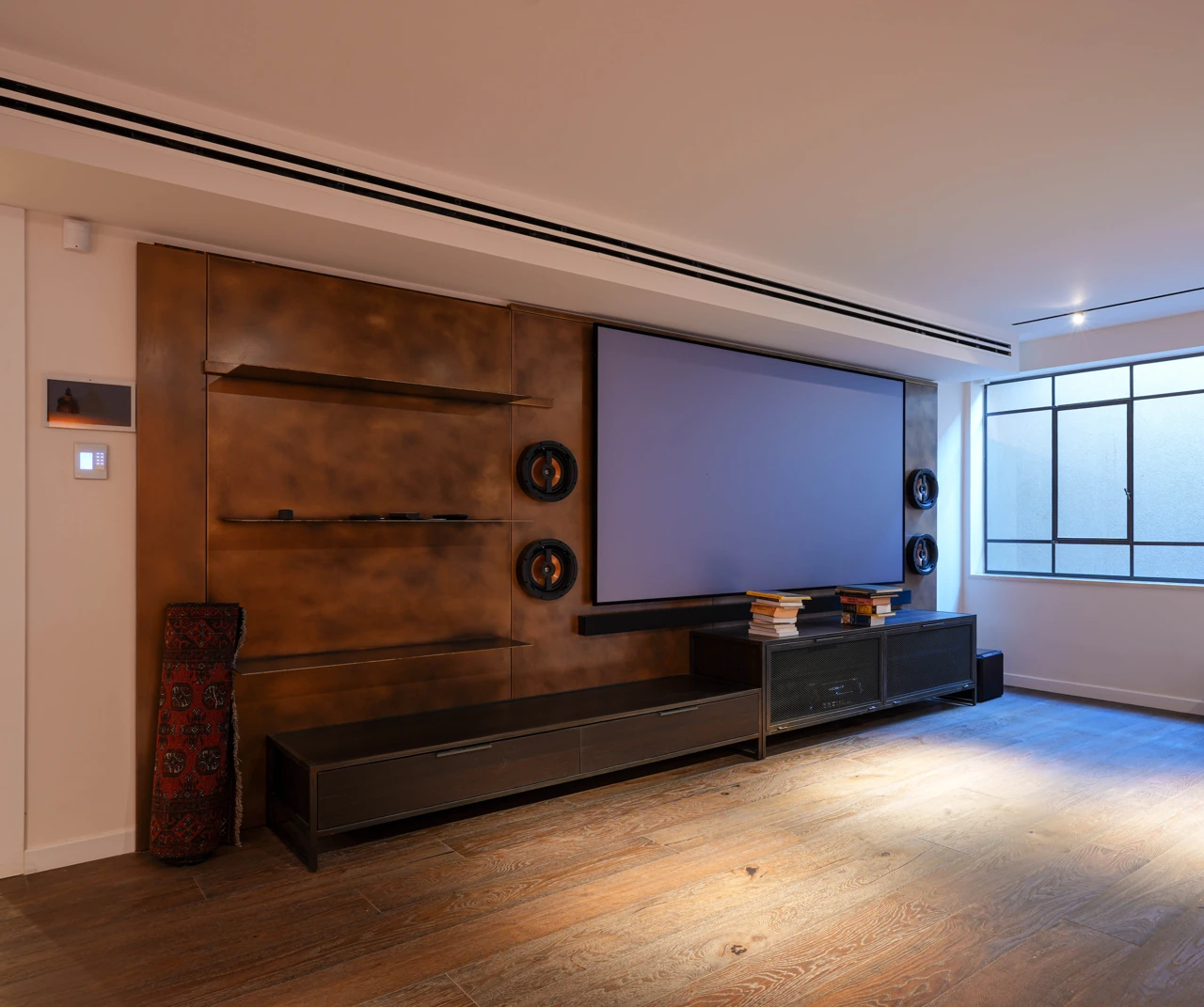
Notice where each source comes from
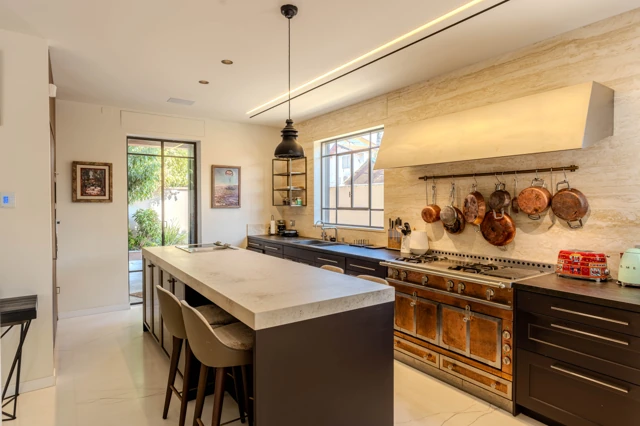
One room may combine daylight, a warm lamp, recessed lighting and a reflection from a coloured wall. Before photographing, look for places where sources overlap: a wall beside a window, a glossy surface or a pale material picking up colour from nearby. Begin by observing rather than switching every light on automatically.
Visit the space at the time it is likely to be photographed. Decide whether the fixtures are part of the design or whether daylight carries the story. Try a few states, note what changes and keep the choice consistent across images of the same room. The decision depends on the place; there is no universal rule to always turn lights off or on.
Keep colour believable
When different sources illuminate different areas, one white balance can make part of a room look cool and another orange. Start with a neutral exposure and colour, then inspect walls, wood, stone and fabric. If local correction is needed, use it gently so the transition feels natural rather than like a separate layer.
A decorative lamp may be intentionally warm; it does not always need neutralising. On the other hand, a strong colour cast on a white wall can misrepresent the material. Use a grey card or calibrated display if they are part of your process, and check the result on more than one screen when possible. The goal is colour that represents the place faithfully.
Plan a consistent sequence
When photographing several rooms, decide how they relate. Should the film or gallery feel like one time of day, or show each space under the conditions in which it works? A sequence can remain coherent even as light changes, as long as the edit does not jump between tones without a reason.
The Tuscan Residence case study gives material and light room without turning every image into a technical exercise. Begin with the feeling the space should communicate, then choose the lighting state and finish. The result can respect both the design and the people looking at it.

A CONVERSATION ABOUT THE PLACE
What stayed with you?
Thoughtful responses are welcome. Every comment is reviewed before it appears publicly.