Light & looking
Photographing a Small Interior Without Distortion
A small room does not need to look enormous to work well. Careful photography helps viewers understand its dimensions, movement and character.
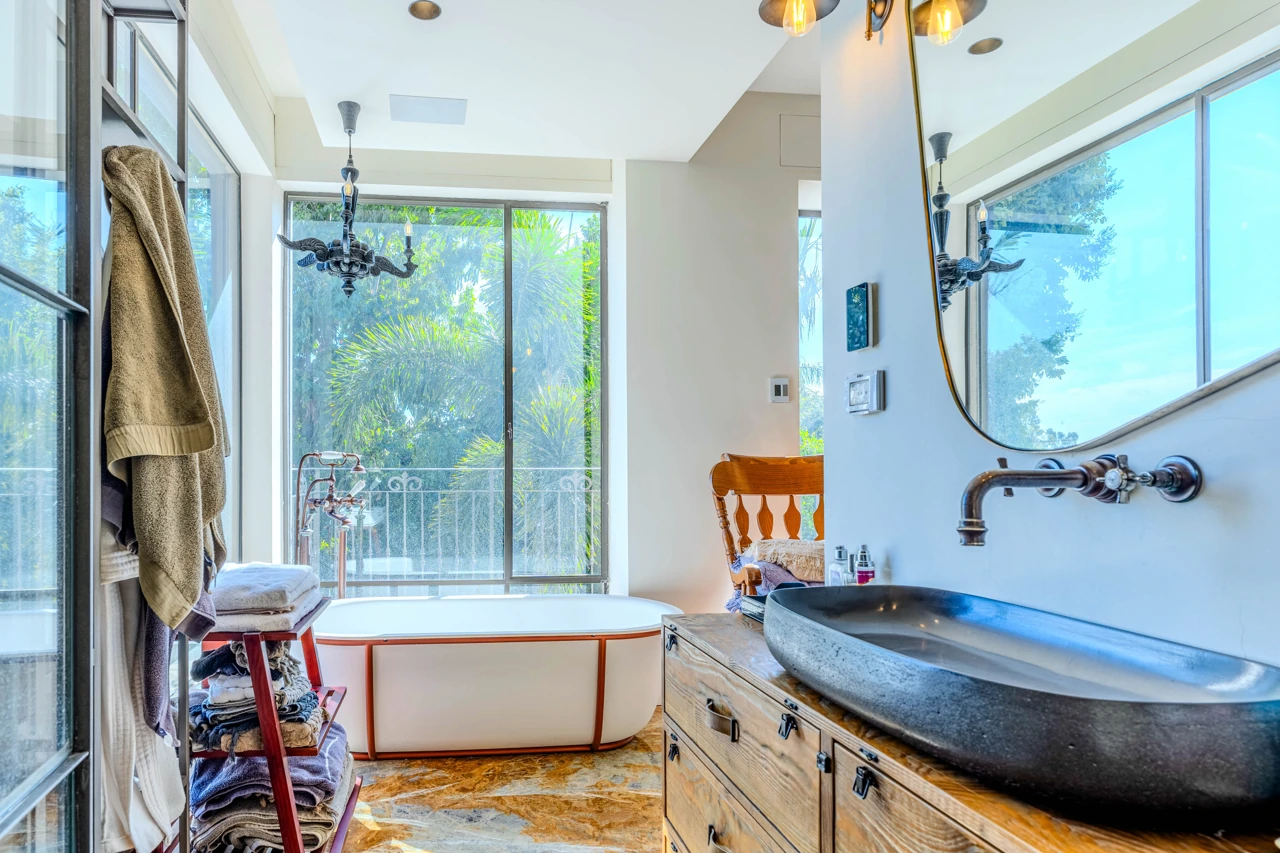
Start with the way people move
In a compact room, first notice how people enter, where they stand and what they see. The image should help someone imagine the route, not simply fit as many walls as possible into the frame. Before moving furniture, ask whether it truly blocks movement or instead explains the room’s scale and use.
Photograph from a few possible positions at a natural height, then compare what each one reveals. Look for straight lines, a connection to the neighbouring space and a believable sense of distance. If a wall appears stretched or furniture bends, the lens may be too wide or unsuitable for the purpose. A slightly tighter view can sometimes describe the room better.
Use lens and crop deliberately
A wide lens can help show a small room, but overuse changes the relationship between near and far. A piece of furniture in a corner may look too large, while walls at the edges seem to recede unnaturally. Consider another camera position, keep the camera level and correct optical distortion with restraint.
Do not depend on cropping to hide a perspective problem. Leave room for captions, screen ratios and portrait versions. If several versions are needed, keep the full original too. The goal is not to make a room look larger, but to give viewers a clear image they can trust.
Show the advantage without pretending
A small room has its own strengths: thoughtful planning, precise storage, a relationship to a window or a successful transition between kitchen and sitting area. Choose one detail that explains the solution alongside a wider view that shows the context. Avoid showing only an empty space if that hides how people use it.
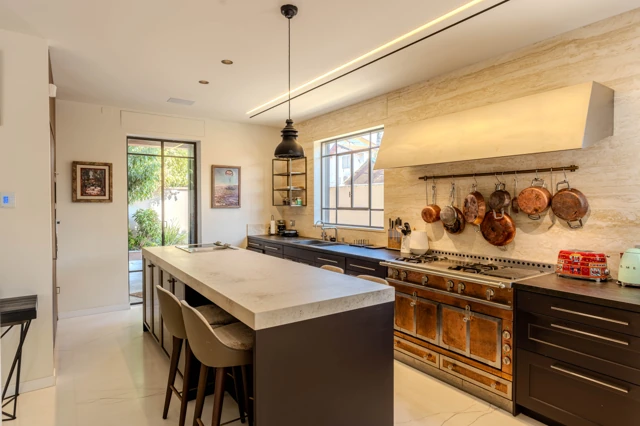
At Tuscan Residence in Ra’anana, the images include frames that orient us and details that bring us closer to material. The same principle helps with a small interior: orient first, then invite a closer look. If the photograph still feels truthful to someone who enters the room, it is probably doing its job.

A CONVERSATION ABOUT THE PLACE
What stayed with you?
Thoughtful responses are welcome. Every comment is reviewed before it appears publicly.