Place & feeling
What to Include in an Architectural Photography Brief
A useful brief is not a list of angles. It connects design intent, people, practical conditions and usage rights, so the shoot can begin with clarity and still leave room to discover.
Begin with the reason for the photographs
Before marking rooms on a plan, decide what the images need to make possible: presenting a project in a portfolio, preparing an editorial submission, describing a property for sale or building an image library for a website. The same architecture may need a different story for each audience and channel. Write one sentence naming the purpose and the people who will use the images.
Instead of asking for ‘as many images as possible’, choose up to three things viewers should understand. It might be the relationship between inside and outside, or the way a material continues through a space. A focused brief does not make the project smaller; it helps decide where to look closely.
Mark intentions without prescribing every frame
Include plans, drawings or simple phone photographs that show openings, light directions and transitions. There is no need to make a polished presentation. Mark essential spaces, viewpoints the architect or designer would like to explore, and details that should not be missed. The AIA’s project photography guide recommends planning intended views and making an advance walk, while staying open to suggestions from the photographer on site.
That distinction matters. A list of intentions gives context; a list of commands can lock the view. Leave room for a moment that was not on the plan: a reflection, a shift in light or a meeting of materials that becomes clear only in the space.
Add the details that prevent surprises
Record the address, access and parking, permitted hours, main contacts, who opens the property and who can make decisions on the day. Note residents, pets, artwork or areas that should not be photographed. If people may appear in the frame, agree in advance who will arrange the required releases. The AIA guide recommends coordinating permissions and intended use before the shoot.
Also note what must not be moved or photographed, whether other trades need coordination, and what happens if weather or activity changes the plan. One point of contact who knows the project can prevent conflicting instructions.
Agree on use and deliverables before booking
List where the stills and film may appear: a website, social channels, a property listing or an editorial submission. Agree on deliverables, formats, credit, delivery timing and permissions from the owner and creators. Usage rights are not a final administrative detail; they shape what can be published and how.
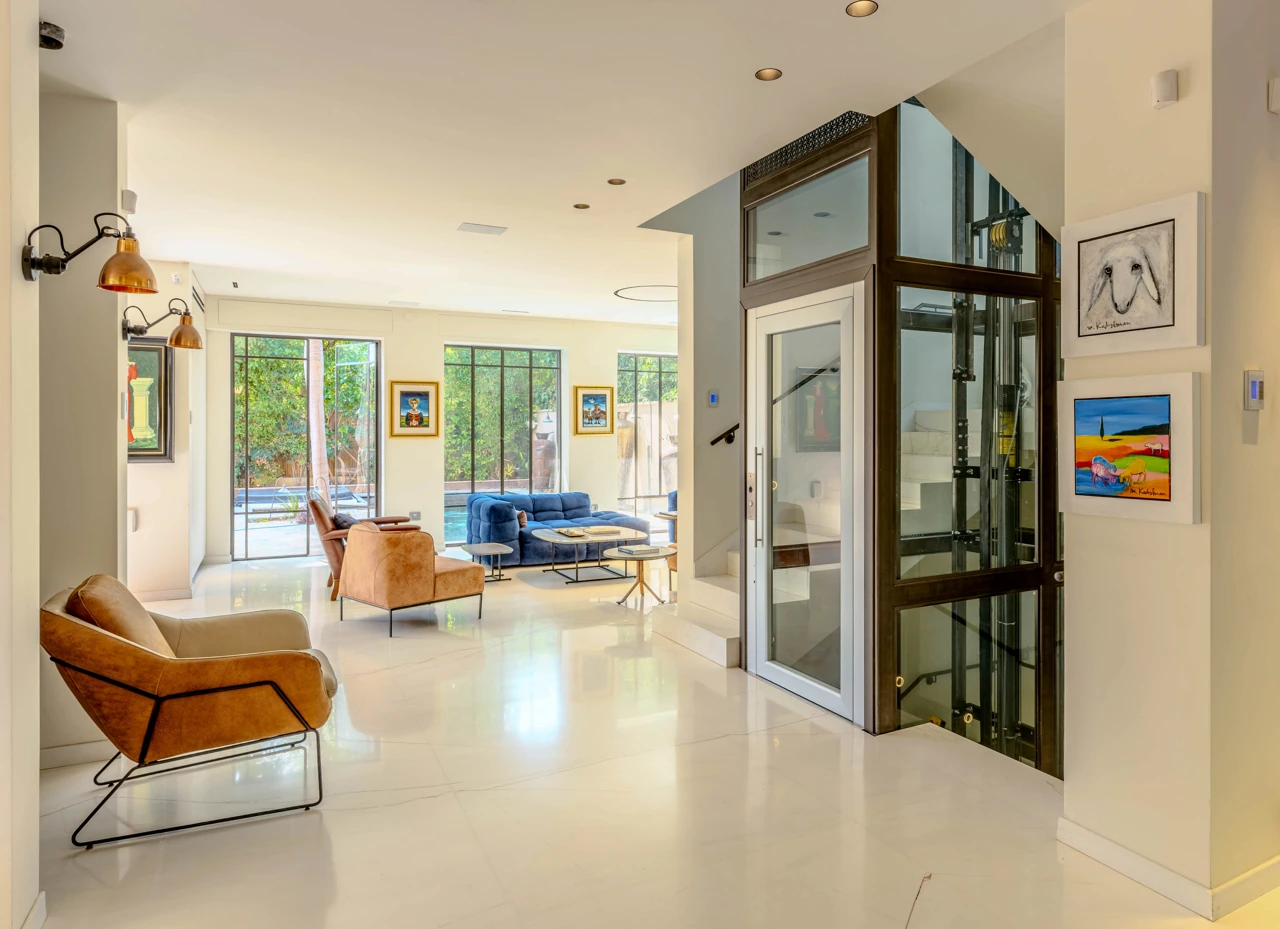
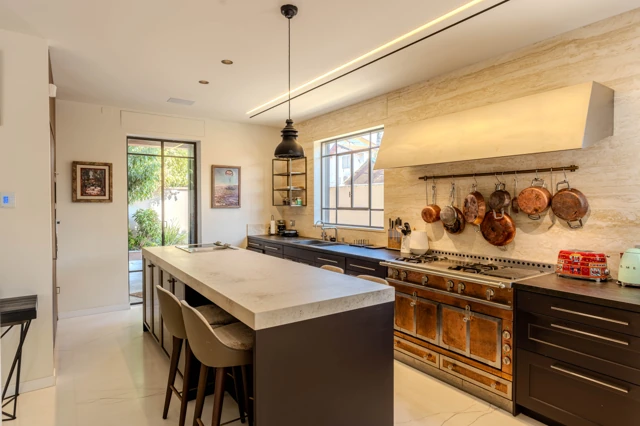
The Tuscan Residence in Ra’anana can be a reference point for discussing a sequence that moves between wide views and close details. It is not a template to copy. Each project has its own character, light and purpose; the brief simply helps everyone arrive ready to find it.
Separate what must be decided before the shoot from what can remain open for a conversation on site. You might identify the rooms that must be covered while leaving the sequence and changing light flexible. The brief can give the team confidence without turning the visit into a rigid route.
If several people need to approve the images, decide who gathers comments and who gives final approval. That makes it easier to edit the sequence once instead of discovering after delivery that everyone expected a different story.

A CONVERSATION ABOUT THE PLACE
What stayed with you?
Thoughtful responses are welcome. Every comment is reviewed before it appears publicly.